
What is DYOR? A Trader's Guide to Crypto Research
Learn what is DYOR (Do Your Own Research) and why it's critical in crypto. Our guide provides a full checklist, on-chain methods, and tools to invest smarter.
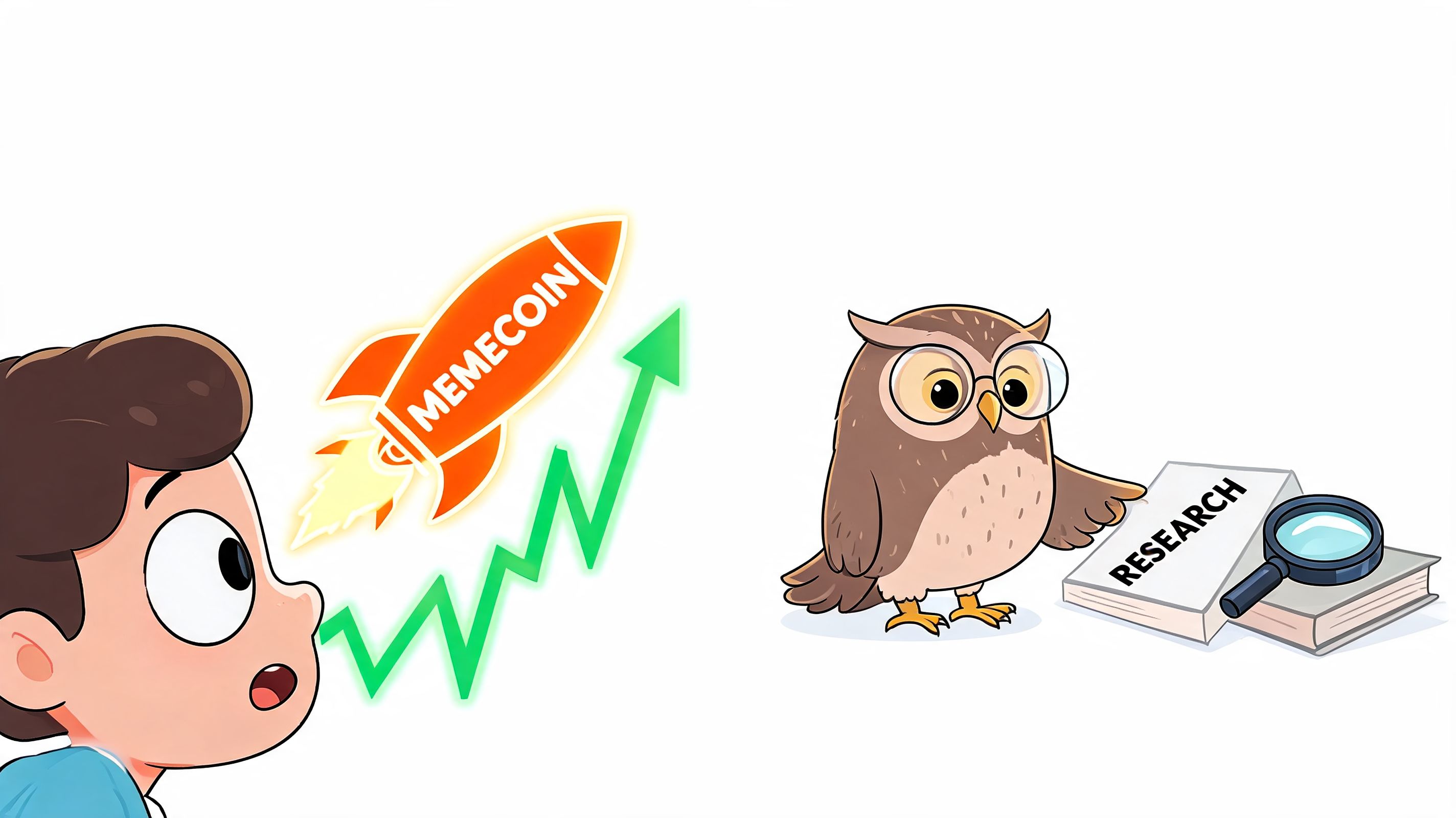
You open X or Telegram for five minutes, see a token ripping, and suddenly every post sounds certain. The chart looks unstoppable. The comments are full of conviction. Someone claims the team is elite, the community is early, and the next leg up is obvious.
That’s exactly when DYOR matters.
In crypto, most bad decisions don’t feel reckless in the moment. They feel urgent, social, and time-sensitive. You tell yourself you’ll research after entry. Then the price reverses, liquidity vanishes, or you realize the only thing you knew was that other people were excited.
Where DYOR Came From and Why It Still Matters More Than Ever
DYOR did not start as a best practice taught in trading courses. It started as a survival mechanism for a community getting systematically destroyed by scams.
The years between 2016 and 2018 were the peak of the ICO era — a period when any project could write a whitepaper, promise revolutionary blockchain utility, and raise millions from retail investors in days. The space had no meaningful regulation, no standardized disclosure requirements, and no reliable way for ordinary investors to tell a legitimate project from an elaborate fabrication. Scammers understood this better than almost anyone. Projects with non-existent code, fictional teams, and invented partnerships raised real capital from real people who had no framework to check what they were being told.
The community response was blunt and necessary. Repeat the phrase often enough that people internalize the habit before they get hurt. Do your own research. Not as a courtesy or a suggestion — as a defense. The phrase spread across forums, Telegram groups, and early crypto Twitter as a constant reminder that in a market with no safety net, the investor's due diligence was the only protection that reliably existed.
How DYOR became a hollow disclaimer — and what that means for traders who take it seriously
What happened next changed the phrase's meaning in a way that every serious trader needs to understand. As influencer culture and paid promotion became central to how new tokens found audiences, project promoters and paid callers started using DYOR as a legal escape hatch rather than genuine advice. A post recommending a token would end with "DYOR" not to encourage independent thinking, but to disclaim responsibility for the outcome. CoinMarketCap has documented this pattern specifically: the cursory DYOR signoff below a promotion serves to push liability back onto the reader while giving the shiller plausible deniability.
The result is that the phrase now carries two opposite meanings simultaneously. In the mouth of someone who actually means it, DYOR is an instruction to slow down, verify independently, and refuse to act on social proof alone. In the mouth of a paid promoter or a Telegram caller, it is a one-word disclaimer that translates roughly to "I accept no responsibility for what happens next." Knowing the difference matters because it determines whether the DYOR instruction you encounter is worth taking seriously or is itself part of the manipulation you need to defend against. The traders who understand this distinction approach every piece of content about a token — including this kind of guide — with the same skeptical question: what is this source's incentive, and what would I find if I checked the chain myself?
What is DYOR and Why Is It Non-Negotiable
What is DYOR? It means Do Your Own Research. In practice, it means you verify a project’s claims, incentives, team, token structure, and on-chain behavior before you risk capital.
That sounds basic. It isn’t. Many still outsource conviction to influencers, group chats, and momentum.
Start tracking smart money today
Join thousands of traders using WalletFinder.ai to find profitable wallets and copy their trades.
Start Free Trial →

