The 8 Best Stable Coins for Traders in 2026
Discover the best stable coin for your trading strategy. We rank the top 8 (USDC, USDT, DAI) by stability, utility, and safety for copy traders.
Stablecoins already sit at the center of crypto settlement, and their role keeps getting bigger. Between January and July 2025, they accounted for 30% of all on-chain crypto transaction volume, with annualized volume above USD 4 trillion. For traders, that means the best stable coin isn't just the one that holds a peg. It's the one that shows you where capital is moving before the rest of the market reacts.
That's the lens I use. A stablecoin is part cash position, part routing layer, part market signal. If a wallet suddenly shifts from idle USDC into DAI borrowing, or accumulates USDT on Tron before rotating into low-float altcoins, that flow matters more than a generic “safe vs risky” label.
The stablecoin market is also no longer a side pocket of crypto. J.P. Morgan Global Research said U.S. dollar-denominated stablecoins make up around 99% of the global stablecoin market, which it sized at about $225 billion and roughly 7% of the broader crypto ecosystem it tracked. It also projected further expansion, which is why stablecoins now function as core market infrastructure.
For copy traders, that changes the job. You're not only choosing a parking asset. You're choosing which money rail to monitor for supply expansion, exchange flows, velocity, bridge activity, and wallet clustering. The best stable coin for one strategy can be the wrong one for another.
1. USDC (USD Coin)
USDC is the cleanest starting point for most DeFi traders. When I want the clearest read on institutional-style positioning, I usually start with USDC because serious wallets often use it as their neutral base asset before entering ETH, liquid staking tokens, majors, or structured yield trades.
That matters because market concentration in stablecoins is still tight. CoinLedger notes that USDT and USDC together account for the majority of the market, and Cambridge's tracked leading stablecoins cover approximately 98% of the market across more than 100 identified stablecoins. In practice, USDC is one of the fastest ways to screen for meaningful smart-money rotation rather than random wallet noise.
What to watch on-chain
USDC gives better signals than people think. I don't just care whether a wallet holds it. I care where it came from, how long it sits, and what follows the inflow.
- Exchange-to-wallet withdrawals: Large USDC withdrawals often signal dry powder moving on-chain for deployment into DeFi or spot accumulation.
- Bridge migrations: USDC moving from Ethereum to Arbitrum, Base, or Solana can hint at where active traders expect better opportunities or lower execution costs.
- Idle balance duration: If a top wallet accumulates USDC and waits, that often means pending entries rather than finished profit-taking.
A practical workflow is to monitor stablecoin fund flows with Wallet Finder.ai and separate treasury parking from actual deployment. Fast turnover usually means active trading. Slow accumulation often signals patient positioning.
Practical rule: USDC is best when you want high-signal entry and exit footprints from wallets that trade across multiple DeFi venues, not just one chain.
USDC also works well as your settlement asset when copying across ecosystems. If a wallet exits volatile positions back into USDC repeatedly, that behavior tells you as much about risk management as the original trade did.
2. Tether (USDT)
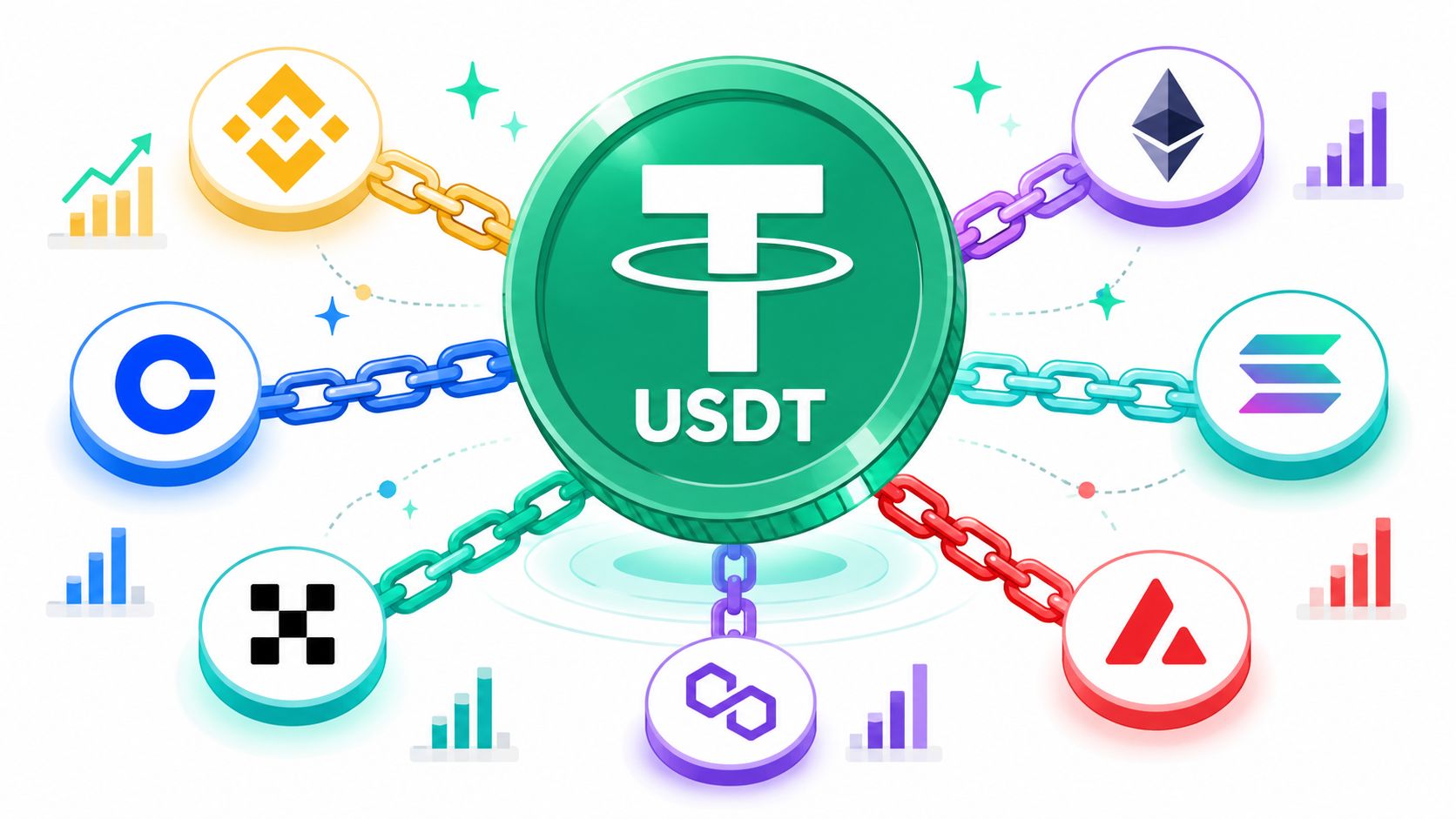
USDT is where speed and reach usually beat elegance. If USDC is often the clean institutional rail, USDT is often the broader market's working capital. It remains the stablecoin I watch most closely when I'm trying to catch momentum, especially in altcoin-heavy and retail-driven environments.
Boston Consulting Group reported that the stablecoin market cap exceeded $210 billion at the end of 2024, with about $26.1 trillion in transaction volumes, and roughly 88% of those volumes tied to arbitrage and trading pairs on crypto exchanges. That's the right backdrop for USDT. It thrives where traders need immediate liquidity and constant pair availability.
How traders actually use it
USDT is often the better signal for risk-on behavior. On centralized exchanges, traders commonly rotate into it before moving into positions using borrowed capital, lower-liquidity majors, and the kind of altcoin baskets that don't always route through USDC first.
When I'm tracking copy-trading setups, I look for patterns like these:
- Tron accumulation first: Wallets build USDT balances on Tron because transfers are cheap and fast, then disperse capital into exchanges or fresh wallets.
- Exchange outflows before launches: USDT leaving exchanges into clustered wallets can hint at OTC routing, presale prep, or coordinated ecosystem trading.
- Altcoin pair concentration: If a wallet consistently uses USDT as the quote asset for early positions, it's often a momentum trader rather than a passive allocator.
USDT is usually the best stable coin for traders who care more about breadth of market access than purity of structure.
What doesn't work is treating all USDT balances as bullish. Sometimes a wallet is just de-risking into the market's most convenient parking asset. The edge comes from pairing the balance change with venue data, token follow-through, and timing.
3. DAI (Decentralized Stablecoin)
DAI matters because it's still one of the clearest reads on DeFi-native borrowing strategies. If a trader uses DAI, there's a good chance they're working inside a protocol stack rather than just parking fiat exposure on-chain. That makes DAI useful for copy traders who want to understand how advanced wallets finance positions, not just what they buy.
I don't rank DAI as the best stable coin for every trader. I do rank it near the top for anyone who wants clean visibility into on-chain borrowing, collateral loops, and stablecoin-led strategy construction.
The signal hidden inside DAI usage
DAI tends to show up in more intentional setups. A wallet mints or borrows, deploys into correlated assets, then rotates back into DAI or another stable after the move. That sequence is much more informative than a simple buy.
Watch these behaviors:
- DAI minting or borrowing before longs: This often points to amplified financial exposure entering the system through collateralized positions.
- DAI cycling through Aave, Maker, or other lending layers: That usually means the wallet is optimizing capital efficiency, not just holding cash.
- DAI returned after a profitable leg: This can indicate a trader has closed risk and is resetting for the next deployment.
For traders comparing stability with income, it helps to understand how stablecoin yield strategies work in practice. DAI is often central to those flows because it's integral to DeFi lending and carry strategies.
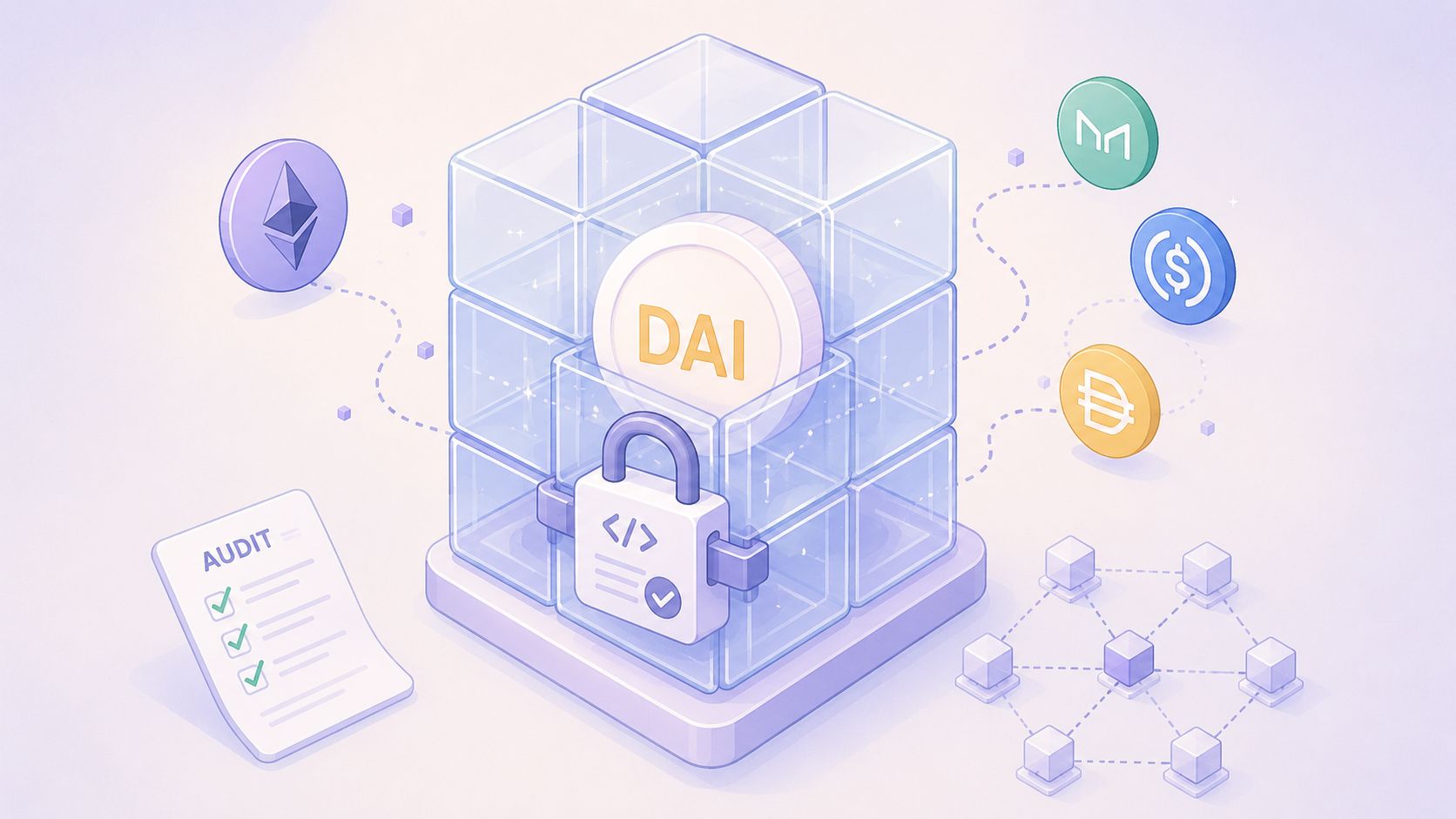
What doesn't work is buying DAI and assuming it gives you an edge by itself. The edge comes from watching DAI supply changes, borrower behavior, and how top wallets use it as a staging asset for delta-neutral or trades involving borrowed capital.
4. FRAX (Fractional Algorithmic Stablecoin)
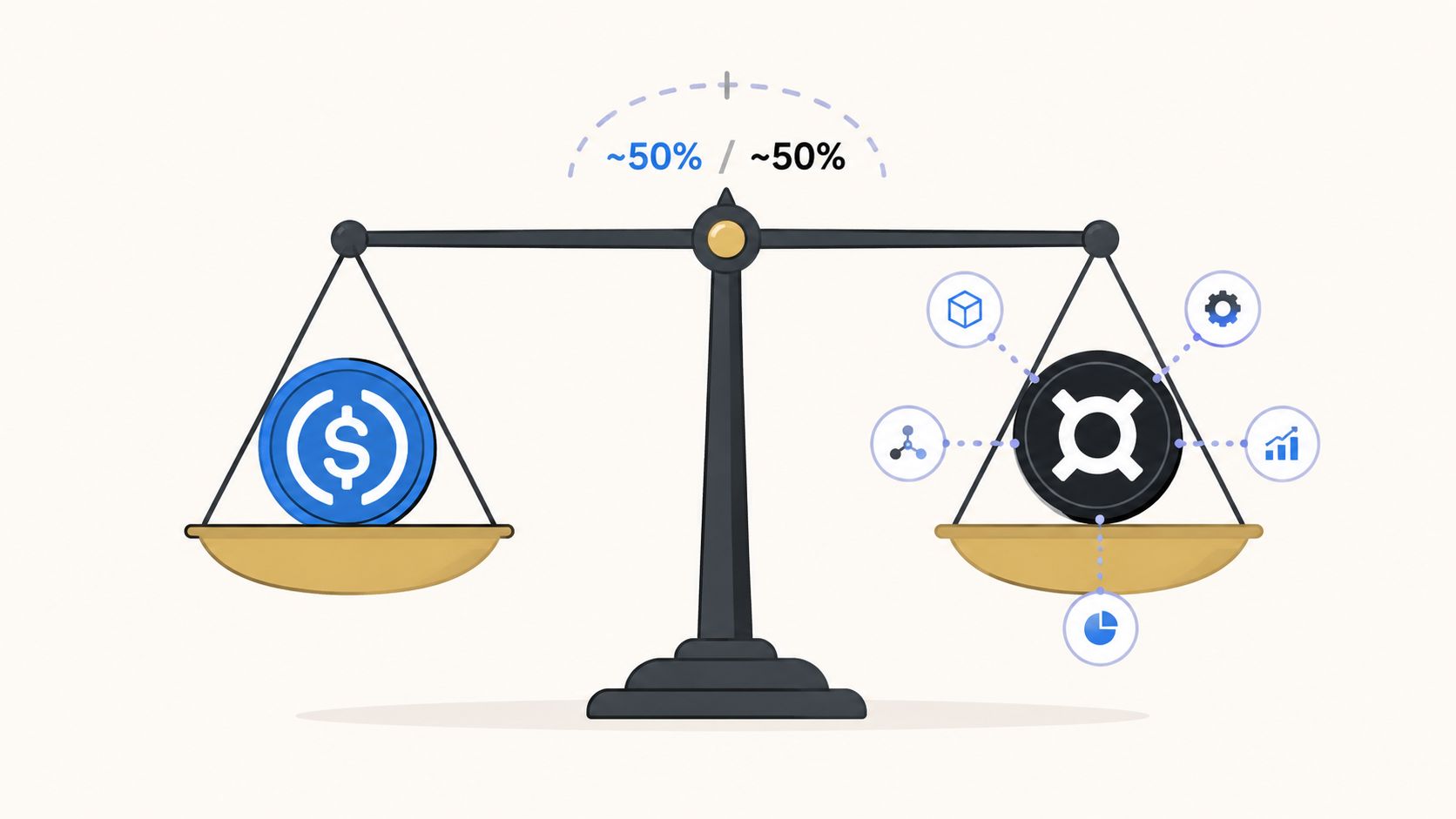
FRAX is for traders who want information density. It's not the obvious pick for beginners, but it can be one of the best stable coin choices to monitor if you trade incentive-heavy DeFi ecosystems and care about reflexive flows.
Unlike plain reserve-backed stablecoins, FRAX tends to sit inside more engineered systems. That means its movement often tells you something about collateral confidence, protocol incentives, and expected yield compression or expansion.
Why FRAX is useful for copy traders
FRAX flows are often linked to wallets that actively farm, vote, rebalance, and arbitrage. That makes it a better signal asset than a passive holding asset. If a strong wallet starts building FRAX exposure, I don't read that as “seeking safety.” I read it as “preparing to use a specific DeFi lane.”
Good FRAX signals usually include:
- Liquidity migration into FRAX pools: This can foreshadow farming or incentive-driven capital concentration.
- FXS-linked positioning: When wallets pair FRAX activity with governance-token exposure, they're often expressing a view on protocol mechanics.
- Short-lived parking before pool deployment: That pattern often marks active strategy execution rather than stable storage.
If you're tracking these moves, a guide to DeFi liquidity pools and how capital rotates through them is directly relevant because FRAX rarely lives in isolation. It usually sits inside a larger capital loop.
Later in the research process, it helps to watch protocol commentary and walkthroughs too:
Start tracking smart money today
Join thousands of traders using WalletFinder.ai to find profitable wallets and copy their trades.
Start Free Trial →